


GRLDC Launches Final Plat Reform Initiative to Reduce Housing Costs Across Georgia
Tuesday, June 16th, 2026
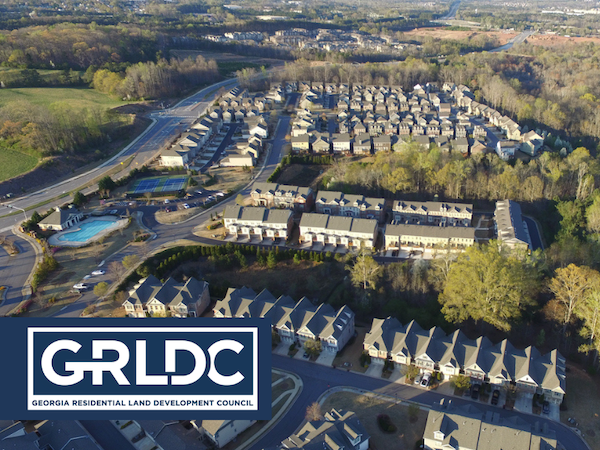
Following the successful passage of Senate Bill 447, the Georgia Residential Land Development Council (GRLDC) continues to investigate more ways to make housing more attainable for Georgians.
In talking to its members, it has become clear that a process that used to be simple is causing enormous delays and adding Thousands and Thousands of dollars to the cost of housing—that is the Final Plat process. The GRLDC believes that simply streamlining the Final Plat process would help eliminate unnecessary delays that increase housing costs and slow the delivery of new homes throughout Georgia.
The final plat (or plat map) is a legally recorded, drawn-to-scale map that shows how a piece of land is divided into lots, streets and utility easements. Without it, a completed development cannot move forward to home sales and closings.
Unattainable housing costs make it clear that now is the time to improve final plat approval timelines, modernize bonding requirements and expand the use of private inspectors to create a more predictable and efficient process for bringing finished new communities to market.
Delays between the completion of a development and the final plat recording often add significant carry costs (interest) that are ultimately passed on to homebuyers.
"SB 447 addressed permitting delays. Final Plat Reform addresses what happens after the neighborhood is developed," said Jay Knight, chairman and co-founder of GRLDC and managing member of Templar Development. "Today, developers can complete roads, utilities, stormwater systems and all required infrastructure, yet still wait months for final plat approval and recording. During that time, interest continues to accrue, costs continue to mount and housing becomes less affordable for Georgia families."
GRLDC is currently collecting data from developers across the state to quantify the financial impact of final plat delays. Early examples indicate that some projects experience delays of up to 10 months after land development is complete, resulting in carry costs that add thousands of dollars per lot and significantly increase the final price of a home.
"A project we are currently evaluating is carrying approximately $70,000 per month in interest while waiting for final plat approval and recording," Knight said. "Over a prolonged delay, that can translate into roughly $15,000 per home. The homebuyer receives no additional benefit from those delays."
Under the current process, development plans undergo extensive review and approval before construction begins. During construction, local governments inspect roads, utilities, stormwater facilities and other infrastructure to ensure compliance with approved plans. Yet after all work is completed, many jurisdictions require projects to undergo additional rounds of review, recirculation among departments and governing body approvals before a final plat can be recorded.
GRLDC believes many of these post-construction requirements create unnecessary administrative delays without improving public safety, infrastructure quality or regulatory compliance.
Their proposed reforms focus on:
• Establishing clear and predictable timelines for final plat review and approval
• Modernizing bonding and financial security requirements
• Expanding the use of certified private inspectors and professional certifications
• Eliminating redundant reviews after required inspections have already been completed
• Increasing accountability and transparency in local approval processes
• Reducing unnecessary delays that increase housing costs
"Every month a completed development sits waiting for final plat approval represents lost housing supply and higher costs," Knight said. "Georgia remains one of the fastest-growing states in the nation. If we are serious about housing affordability, we must eliminate inefficiencies that add cost without adding value."
GRLDC plans to work closely with legislators, local governments, industry groups and housing advocates during the coming months to create a refined and efficient final plat process, leading to more attainable housing for all Georgians.

